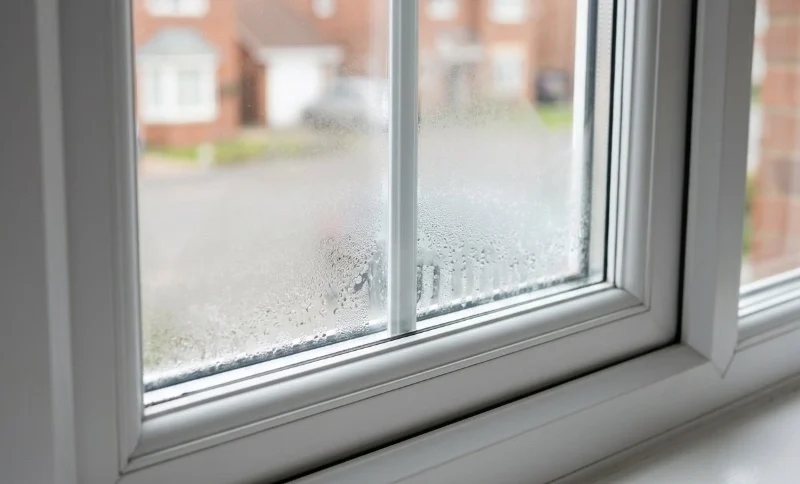

Selling a House Without FENSA Certificate: What Buyers and Solicitors Ask
Selling house without FENSA certificate is stressful mainly because it appears late, when a buyer’s solicitor sends their enquiries and the sale has already been agreed. A missing certificate does not automatically prevent a sale. What it does is add a question that needs a clear answer, so the sooner you have one, the smoother the weeks to completion.
Can you sell a house without a FENSA certificate? Yes. There is no general requirement for a seller to produce a FENSA certificate simply to put a property on the market or complete a sale. The buyer’s conveyancer may still ask for evidence that replacement glazing complied with the relevant requirements. How you respond can affect the enquiries and the next steps in the sale.
This guide is for sellers across North London, from a Victorian terrace in Walthamstow to a leasehold flat in Barnet. It covers who asks, what they accept, and what to prepare. If you are planning new windows before you list, ask us for a free quote and we will explain how the certificate is handled.
Selling soon? Get any window work quoted first.
If you are thinking about new windows before you list, we arrange a free survey and a written quote you can compare.
How a quote works
- 1Send photosA few clear photos and your postcode.
- 2Free surveyWe arrange a visit to measure up.
- 3Written quoteClear prices you can compare.
Free survey · Written quote · No obligation
Do you need a FENSA certificate to sell your house?
Although a certificate is not a condition of sale, the buyer’s conveyancer may ask for evidence covering replacement glazing installed since 1 April 2002. This could be a FENSA certificate, evidence from another recognised competent person scheme, or relevant local authority documentation. Our guide to what the certificate proves explains the difference. If you have none, the next step is to establish what records exist and discuss the available options with your solicitor.
What will the buyer’s solicitor ask for?
Your buyer’s solicitor sends enquiries about the property. Windows and doors are a standard topic, and the questions are usually about whether any have been replaced and whether there is paperwork.
Which windows and doors might they ask about? They may ask about replacement windows, external doors, roof windows or rooflights installed since 1 April 2002. Whether a particular installation needed Building Regulations evidence depends on the type and scope of the work, and our Building Regulations guide explains which replacement jobs fall within the rules.
Do they need the original certificate? A copy of the existing certificate is generally what is supplied, but the buyer’s solicitor decides what evidence is acceptable in the particular transaction. If you cannot produce one, they may accept other evidence or ask for a remedy. Selling house without FENSA certificate goes more smoothly when you answer enquiries honestly. If you do not know, say so and say what you have done to find out, and do not guess.
How do mortgage lenders react?
Is it the solicitor or the lender who insists? The buyer’s solicitor raises the enquiry. The lender may have separate requirements, which are usually dealt with through the buyer’s conveyancer. A surveyor or valuer may comment on the condition of replacement windows, but a property survey is not a substitute for compliance evidence. The response can vary between transactions. The buyer’s conveyancer may discuss an indemnity policy or request other evidence, depending on the lender’s requirements and the circumstances. If the position is unclear, ask the conveyancer what evidence would satisfy the lender before agreeing on a way forward.
What are your options before you list?
Choose the row that matches where you are. Each option has different requirements and limitations.
| Option | When it fits | What happens |
|---|---|---|
| Find or order a copy | The work was registered with a competent person scheme | You obtain a copy of the existing certificate |
| Ask the council about regularisation | No suitable scheme record exists, or the work was DIY | Building Control may inspect and require remedial work; approval is not guaranteed |
| Indemnity insurance | The buyer’s side is willing to accept it | A policy may cover specified legal risks, not defective windows |
Our no FENSA certificate guide explains how to check the register, approach Building Control and understand indemnity insurance before choosing a route.
Selling house without FENSA certificate: what happens to price and completion?
It can slow things down, and it can come up in price talks, but it does not have to do either.
Can a buyer ask for a lower price? They can ask. Whether the price moves depends on the evidence available, the perceived cost and risk of resolving the issue, each side’s negotiating position and any other problems identified during the survey. Providing a clear answer early can reduce uncertainty, although it does not prevent a buyer from negotiating.
Who pays if indemnity insurance is used? There is no fixed rule. It is part of the negotiation between the two sides, so ask your solicitor how it usually works in your sale.
The effect on the timetable depends on what the buyer’s solicitor requires and how quickly the issue can be resolved. A copy of an existing certificate may be straightforward to obtain, while a council application can involve further checks. Agree the next step with your solicitor before making promises about a completion date.
Selling a leasehold flat or home in a conservation area
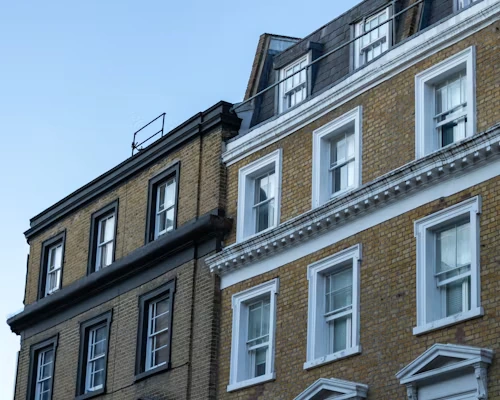
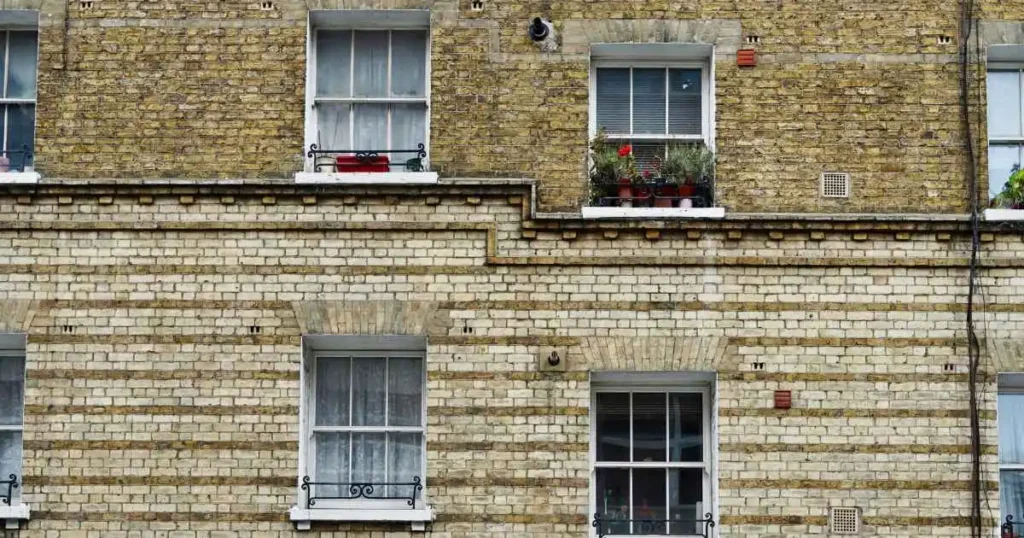
Much of North London’s housing stock is flats and older homes, and both can add a layer to the sale.
Who is responsible for replacement windows in a leasehold flat? It depends on the lease. The lease may make the freeholder responsible for the windows, require the leaseholder to obtain consent before replacing them, or set out another arrangement. A managing agent may administer the approval process. Check your lease and ask the managing agent before answering the buyer’s enquiry. Our flats and leasehold guide covers this in more detail.
If replacement windows were installed in a listed building or a property subject to conservation-area restrictions, check whether planning permission or listed building consent was required. Building Regulations evidence and planning controls are separate matters, and our conservation areas guide explains the local restrictions that may affect replacement windows.
What should you have ready before you list?
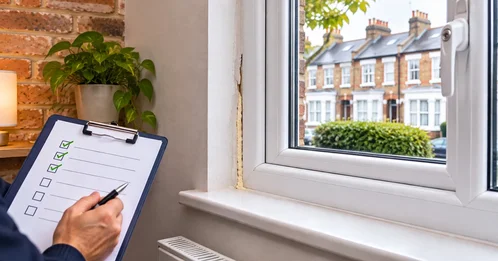
Before marketing the property, work through these checks:
Having this information ready makes it easier for your solicitor to respond accurately when enquiries arrive.
Window work before you sell? Get it priced.
Send us your postcode and a few clear photos of the windows. We arrange a free survey and a written, no-obligation quote.
- Free survey
- Written quote
- No obligation