Double Glazing in Listed Buildings: Windows, Secondary Glazing and Consent in London
Double glazing in listed buildings is sometimes possible, but approval depends on the building’s significance, the existing windows and the effect of the proposed work. Replacing windows or altering historic glazing usually needs listed building consent. Some reversible secondary glazing may not. Historic England generally recommends repairing original windows first. This guide covers what your listing includes, which options may suit, when consent is needed and why your London borough matters.
Can you put double glazing in a listed building? Sometimes, but not automatically. It is most likely to be considered where the existing glass has no historic interest and the frames can take slim or vacuum units with minimal alteration. Your council decides case by case, so confirm before you order.
Once you have confirmed with your council what work may be acceptable, ask us for a written quotation for the windows you are considering. We arrange free home surveys and written, no-obligation quotations.
Know what your council will accept, then compare your options in writing.
Once you know which option your council will consider, we arrange a free home survey and a written, no-obligation quotation you can use alongside your application.
How a quote works
- 1Send photosA few clear photos and your postcode.
- 2Free surveyWe arrange a visit to measure up.
- 3Written quoteClear prices you can compare.
Free survey · Written quote · No obligation
Is my house a listed building? How to check what the listing covers
Check this first, because everything below only applies if your home is listed. A conservation area is a separate designation with its own extra window rules in a conservation area.
How to check a listing
- Search the National Heritage List for England. Use your postcode or street name.
- Read the list entry. Note the grade and the description. The description helps identify the building but is not a full inventory.
- Ask the conservation team in writing if the entry is unclear.
What a listing covers: grades and the whole building
Listed buildings fall into three grades. According to Historic England:
The grades reflect the level of special interest. All three are protected by the listed building consent system, and each proposal is judged on its effect on that individual building.
Does the listing cover the back of the house and windows added later? Often yes. Listing is not limited to the front elevation or the features named in the list entry. It can cover the building as a whole, inside and out, although the significance of later alterations is considered in context. Do not assume rear windows are exempt, and ask your council to confirm what is covered.
Listed building windows: what needs consent and what you can repair
Listed building consent is required for work that would affect the character of a listed building as a building of special architectural or historic interest. This can apply to alterations inside as well as outside. It is separate from planning permission, and some projects need both. Permitted development rights do not remove the need for consent, and how planning permission works for windows covers the planning side.
Doing work that needs consent without it is a criminal offence, so check your property’s status before you start.
Do you need listed building consent to replace windows? Normally yes, even where the new window copies the old one. Planning permission may be needed as well, and the London section below shows how councils word this.
Do you need listed building consent to repair or paint windows? Routine maintenance and redecoration with appropriate materials do not normally need it. Like-for-like repairs may also be fine, provided they do not remove significant historic fabric or change the window’s character. Ask the council before anything more substantial.
Repair and draught-proof first
Historic England advises owners to keep significant historic windows and replace them only with good justification. Many old windows can be repaired, and draught-proofing saves the most energy for the least impact. Curtains, cellular blinds and internal shutters help with little change to the building.
Double glazing in listed buildings: when it can be approved
Standard double glazing is the problem, not double glazing as an idea. Sealed units are much thicker than old single panes, so they may not fit without altering historic fabric. Historic England treats it as more limited than secondary glazing. It may be acceptable where the existing glass has no historic interest and the frames are deep enough for slim-profile or vacuum units.
Three different jobs are often lumped together:
The more original material a proposal removes, the greater the likely impact. Councils may also look at glazing bars and sash profile.
Slimline and vacuum double glazing: when councils may accept them
Slimline and vacuum units are thinner than standard double glazing. They are more likely to be considered where the existing glass has no particular historic significance and the frame can take the unit without harmful alterations. Councils may ask for photographs inside and out, evidence of whether original glass survives, the frame depth, the proposed unit thickness and drawings showing what is kept, altered or replaced. Kensington and Chelsea’s orders, covered in the London section below, set their own limits on unit thickness.
Secondary glazing in a listed building: the option councils often prefer
Secondary glazing is a separate inner window fitted inside your existing one, so the original stays in place. Historic England treats it as a preferred upgrade for historic windows because it keeps the original window and its historic fabric, and the installation can usually be reversed.
According to Historic England, well-designed secondary glazing can reduce heat loss about as well as double glazing in suitable conditions and may be better at cutting noise.
It is not perfect. You gain a second pane to open and clean, and the extra frame is visible from inside. Condensation can also form between the two windows if the gap is not designed to manage moisture, and rooms still need ventilation, so do not seal them completely.
Does secondary glazing need listed building consent? It may not, where the installation is genuinely reversible and does not damage the frame, panelling, shutters or other features. Councils differ, and some want to see the proposal first, so confirm in writing. Kensington and Chelsea’s Class A order allows internal secondary glazing on Grade II buildings, but only under conditions.
Replacing windows in a listed building: what councils expect
If repair is not enough, the council will test any replacement against the window you have. Expect to be asked to match its material, design, glazing bars, glazing pattern and opening method, and to show why repair is not possible. Original historic windows are often particularly significant, so proposals to remove or substantially alter them can face greater scrutiny. Later replacement windows may contribute differently to the building, but their age alone does not remove the need for consent.
If the existing frame is sound, replacing only the failed glass may be worth discussing with the council before a whole-window replacement. If a proposal is refused, ask the council what would change the decision.
Sash windows: repair, restore or replace?
Replacement may be considered where repair is not viable and the proposal preserves the window’s important proportions, materials and detailing. The council will assess the specific window and the effect on the listed building.
Can you fit uPVC windows in a listed building? Historic England considers PVCu replacement windows unsuitable for older buildings, particularly listed ones, where thicker profiles and different detailing can harm the building’s character. A uPVC proposal may therefore face significant objections, but the decision depends on the building and the proposal, so confirm with the council before you order anything.
Listed building window options compared
This ladder runs from the least to the most change to your building. It compares impact, not approval: where you land on it is for your council to decide.
| Option | Typical conservation view | Consent position |
|---|---|---|
| Repair and draught-proofing | Keeps original fabric, so generally preferred | Routine like-for-like work may not need consent; ask before removing historic material |
| Secondary glazing | Original stays and work can be reversed | May not need consent if genuinely reversible and no historic fabric is affected; confirm first |
| Slimline or vacuum glazing in existing frames | Considered where glass and frames suit | Consent may be required, depending on the glass, frame alterations and overall impact |
| New double-glazed timber windows | Judged case by case, with original windows tested hardest | Replacement normally requires consent, even if the design closely matches |
| Like-for-like replacement of failed windows | Considered where repair is not viable | Replacement normally requires consent |
| uPVC windows | Historic England calls them unsuitable | Consent may be required; objections likely if it harms the building’s character |
Doors in a listed building
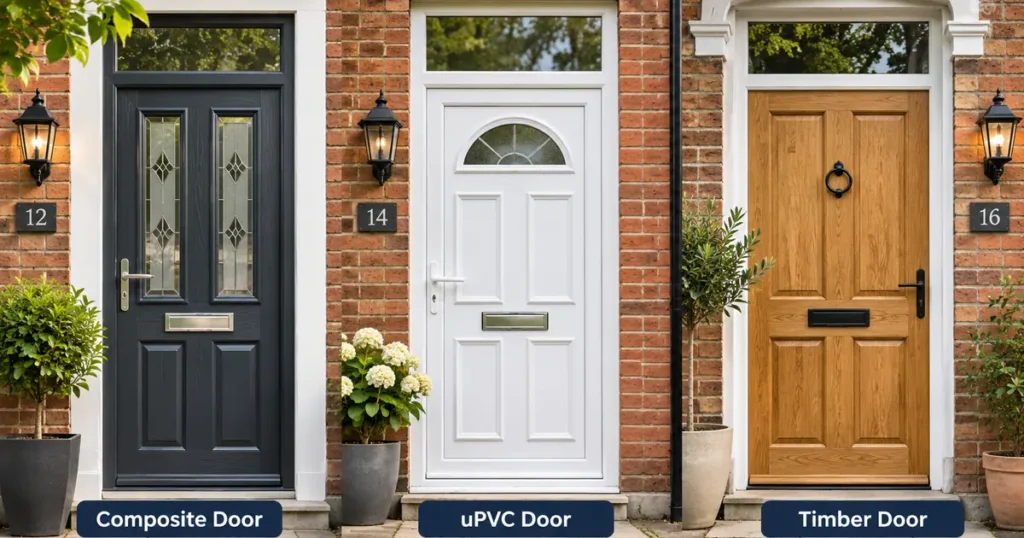
Altering or replacing an external door can also affect a listed building’s character and may need listed building consent. Hackney says replacing external doors or windows requires consent, and a historic door is part of what listing protects. Repair first. For general differences between materials, see our front door comparison guide.
How to apply for listed building consent
The steps are similar whichever option you choose, although what the council asks for depends on the proposal:
- Speak to the council first. Pre-application advice can tell you the likely view early.
- Gather evidence of the windows’ condition. Photographs or a joiner’s or surveyor’s report may help; ask what level the council expects.
- Prepare drawings and supporting information. Show the existing and proposed windows, and explain why the work is needed.
- Submit the application. Use the route your council specifies, which may be the Planning Portal or its own service. It carries no fee on its own.
- Wait for the written decision. Do not order made-to-measure windows until it arrives.
- Review the reasons if consent is refused. Ask what would change the decision.
Listed building consent in London: why your borough matters
The national consent system is the same everywhere, but borough guidance and Local Listed Building Consent Orders can change what applies at a particular address. This table shows what each council’s own page says. It does not replace asking your own.
| Council | What its page says | Why it matters |
|---|---|---|
| Kensington and Chelsea | Has two Local Listed Building Consent Orders for qualifying Grade II buildings, covering different window works | Conditions and notices apply; Grade I and II* are excluded |
| Islington | Has a 2025 guide to repairing and upgrading windows in listed buildings and conservation areas, and says you will probably need planning permission, listed building consent or both | Read the borough’s own guide before you commission drawings |
| Haringey | Replacing windows normally needs consent; like-for-like repairs and redecoration usually do not; consent itself is free | A plain rule of thumb from a North London council |
| Hackney | Consent is needed for work that removes historic material or changes character, and for replacing external doors or windows; the page does not cover double or secondary glazing | Contact the planning desk for glazing questions |
| Enfield | Consent covers the interior as well as the exterior; it suggests pre-application advice or a heritage adviser if you are unsure; the council can require unconsented work to be reversed | Unconsented work can also make a sale harder |
The Kensington and Chelsea orders work differently:
If you live in Haringey, Enfield, Islington or another North London borough, start with your own council’s guidance rather than assuming another borough’s order applies to you. Details were checked in November 2026, and councils update their pages.
What happens if windows were changed without consent?
Carrying out work that needs listed building consent without it is a criminal offence under section 9 of the Planning (Listed Buildings and Conservation Areas) Act 1990. On conviction on indictment, the maximum penalty is up to two years in prison, a fine or both.
Applying for consent afterwards is possible, but the Planning Portal says retrospective consent only authorises work from the date it is granted, and earlier unauthorised work can still be prosecuted. The council can also require unconsented work to be reversed, as Enfield notes. If a previous owner changed the windows, take advice before you apply.
Unauthorised alterations can also cause problems during a sale if the buyer’s solicitor asks for evidence of consent. How window paperwork affects a sale covers the buyer’s side.
Listed building windows? Get your options priced.
Send us your postcode and a few clear photos of the windows, and tell us the home is listed. We arrange a free survey and a written, no-obligation quotation.
- Free survey
- Written quote
- No obligation