REPLACEMENT WINDOWS FOR LONDON HOMES
uPVC Windows North London
Our uPVC windows North London service starts with choosing the right style, glass and finish for your property, followed by a free home survey and a written, no-obligation quote, so you understand your options before you decide. From Victorian terraces to 1930s semis and flats, uPVC is one of the most popular replacement choices, with low maintenance, rooms that can be warmer and quieter, and more styles and colours than most people expect.
Tell us what you need and we will take it from there. We will show you the choices that matter most (style, glass, energy rating, security, finish and price) so you know exactly what to ask for. We cover London, with a particular focus on North London.
What should your uPVC window quote include?
A good window quote should explain more than the overall price. Check that it covers the details that affect performance, appearance and long-term value.
Get your free uPVC window quote today: Request a free quote or call 020 3769 2842.
THE ESSENTIALS
In short
uPVC (also written PVC-U) is a rigid plastic frame material, normally multi-chambered and often reinforced with steel for larger openings.
The main styles are casement, flush casement, tilt and turn, plus fixed windows and bay or shaped units.
Glass is usually double glazed, with triple glazing as an option, and the energy rating tells you more than the glazing type alone.
Price depends on size, style, glass, finish and access, so a written, itemised quote is the only reliable number.
Replacement windows must meet Building Regulations, and homes in conservation areas, listed buildings and many flats need extra checks first.
FAIRGLASS RECOMMENDS uPVC
Why Choose uPVC Windows?
uPVC is popular for a simple reason: it solves the problems people usually want fixed when they replace old windows, without asking much of you afterwards.
Lower heat loss. Modern sealed units and well-fitted frames cut the draughts and cold spots that old timber or single-glazed windows allow. How much you gain depends on the glass specification and the quality of the fitting, not just the frame.
Quieter rooms. Sealed double glazing reduces traffic and street noise, and thicker or laminated glass can improve it further on busy London roads.
Very little upkeep. There is nothing to repaint or treat. A wipe with warm soapy water keeps the frames and cills clean.
Resistance to weather and rot. Quality uPVC frames resist moisture and do not need the regular painting or treatment that timber does. Long-term performance still depends on the product, the fitting and basic care.
Security you can specify. Multi-point locking, lockable handles and internal glazing beads all make a window harder to force. They are options to check on a quote, not automatic features.
Long working life. Good uPVC windows are commonly expected to last for decades, though the real figure depends on the product, the installation and how the hardware is looked after.
WINDOW OPTIONS
uPVC Window Styles and Designs
The style decides how the window opens, how it looks from the street, and how much light it lets in. These are the main options buyers compare.
uPVC Casement Windows
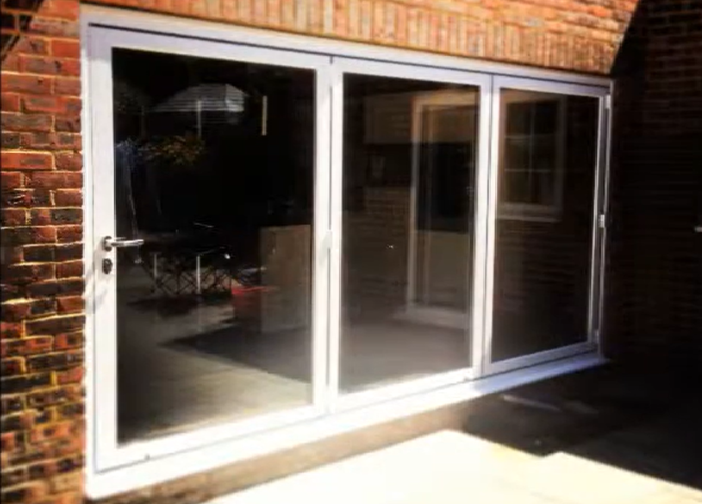
Casements are hinged at the side or top and open outwards like a door. They are the most common style, suit most rooms, and give a wide opening for ventilation. A top-hung casement is useful where a side-hung sash would hit a path, a plant or a neighbour.
Flush Casement Windows
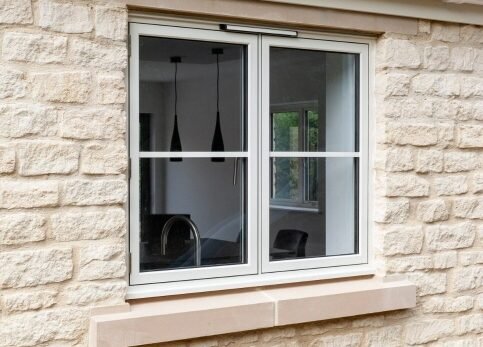
A flush casement closes level with the frame instead of sitting proud of it. The result is a slimmer, more traditional line that suits Victorian and Edwardian fronts, and it is the style most often chosen when the aim is to copy the look of old timber windows.
Tilt and Turn Windows
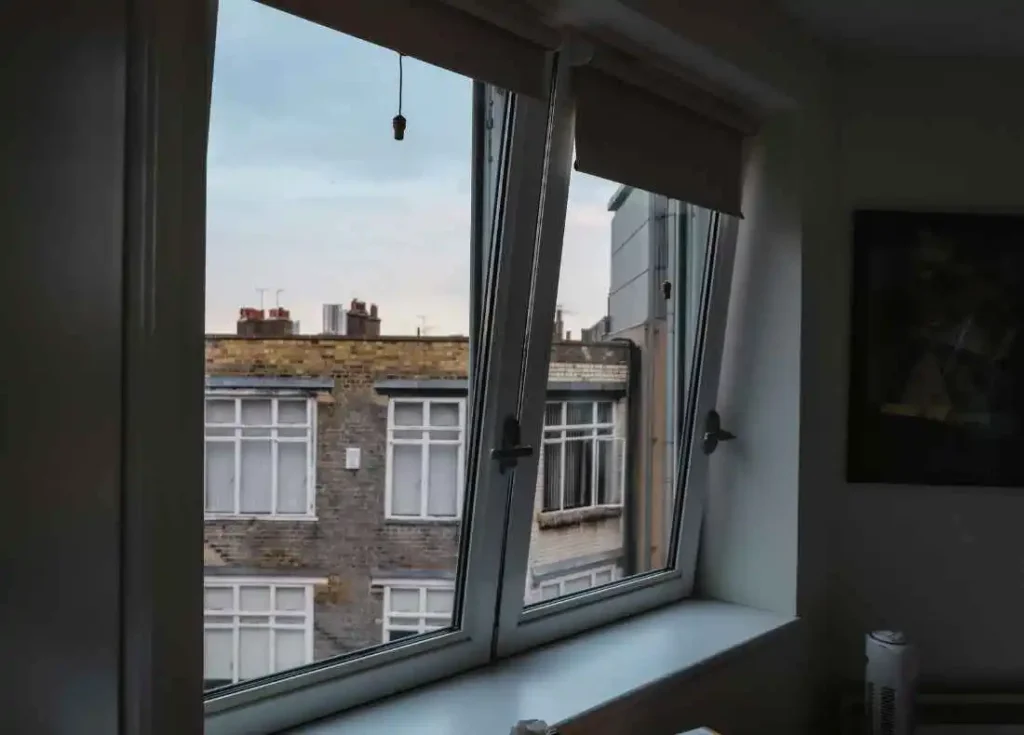
Tilt and turn windows open inwards, either tilted at the top for ventilation or swung fully open like a door. The full-open position makes them easy to clean from inside, which helps on upper floors. They need clear space inside the room for the sash to swing.
Fixed, Bay and Shaped Windows
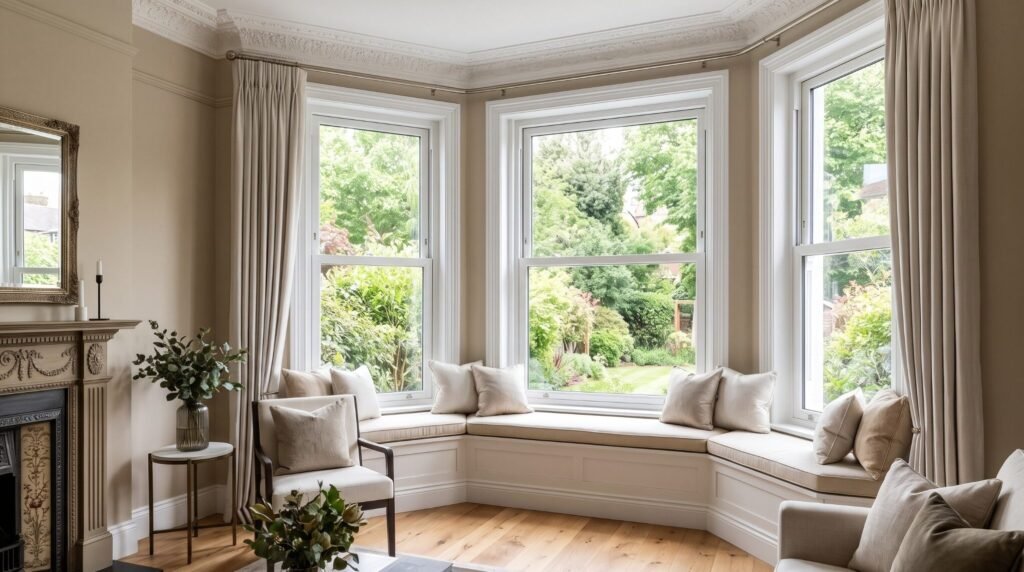
Fixed lights do not open, so they are used to bring in more daylight beside or above an opening window. Bay and bow windows combine several panels into one projecting unit, and shaped or arched frames can be made where an opening is not standard. Non-standard openings are made to measure, which usually affects the lead time and price.
Not sure which style suits your property?
GLAZING CHOICES
uPVC Double Glazing and Glass Options
The glass makes up most of the window, so it has a large effect on warmth, noise and safety. These are the options worth understanding before you compare quotes.
Standard Double Glazing
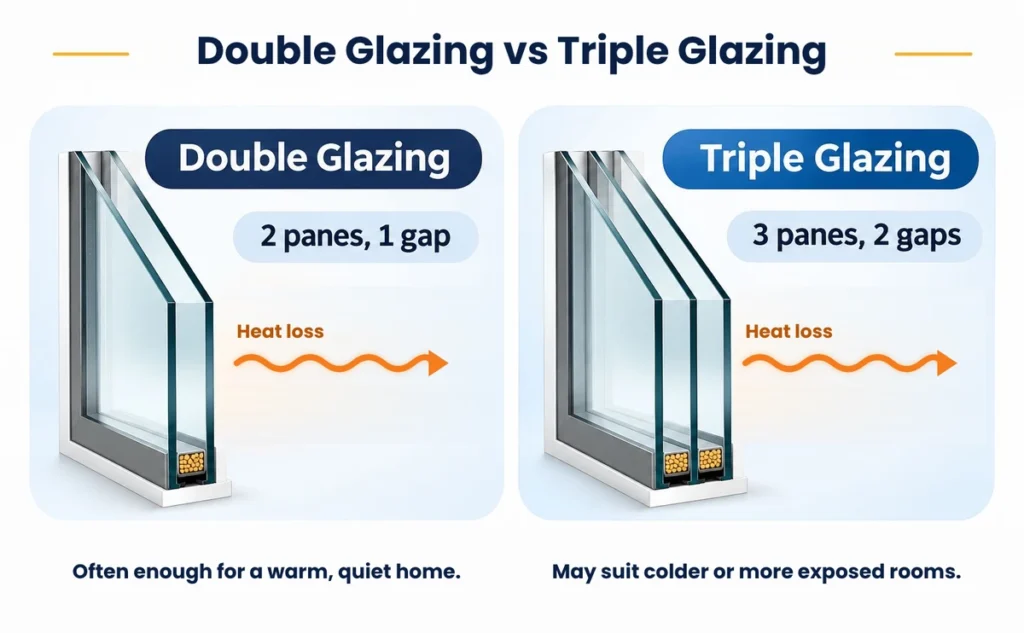
Two panes of glass are separated by a sealed gap, which slows the movement of heat. It is the standard choice for most replacement windows and is the baseline most quotes are built on.
Triple Glazing
Three panes and two gaps cut heat loss further but add weight, thickness and cost. Whether it is worthwhile depends on the property, the full window specification and the extra cost, and a well-specified double glazed window can still perform very well. For noise, compare the acoustic specification of the glass rather than assuming three panes always perform better.
Low-E Coatings, Argon Gas and Warm-Edge Spacers
Three details do much of the work inside a sealed unit. A low-emissivity (Low-E) coating reflects heat back into the room. Argon, an inert gas, fills the gap between panes because it conducts heat more slowly than air. A warm-edge spacer bar keeps the edge of the unit from becoming a cold path. Ask which of these a quote includes rather than assuming.
Laminated and Toughened Glass
Safety glass is required in certain positions, such as low-level panes and glazing close to doors. Toughened glass breaks into small pieces. Depending on its construction, laminated glass can improve safety, help hold broken glass together and contribute to sound reduction, so it is often considered for ground-floor windows and noisy roads.
Obscure and Decorative Glass
Frosted or patterned glass keeps bathrooms and side windows private while still letting light through. Decorative options such as leaded effects and glazing bars are covered in the colours and finishes section below.
Only the glass has failed? That is a separate, smaller job.
Compare like for like
Energy Ratings, U-Values and A-Rated Windows
Energy labels are the easiest way to compare two windows that look identical, so it helps to know what each one actually measures.
What Is a Window Energy Rating?
A Window Energy Rating, often shown as a BFRC label, scores the whole window, not just the glass. It takes in heat loss through the frame and glass, draughts through the gaps, and useful heat gained from sunlight. Ratings run from A++ at the top downwards.
What Does a U-Value Tell You?
A U-value measures how quickly heat passes through a material. The lower the number, the better the insulation. A U-value is a single measure of heat loss, so it does not capture draughts or solar gain the way a full energy rating does. For that reason the two numbers are related but not interchangeable.
What Does an A-Rated Window Mean?
An A-rated window has scored in the A band of the energy scale, which is a common benchmark for new replacement windows. A claim like this should come with the product’s own certificate or label. Be cautious with a quote that says “A-rated” or “A+” without showing which window and which glass it refers to.
Double Glazing or Triple Glazing: Which Should You Choose?
Start with the energy rating of the exact window you are being quoted, then ask what it costs to move up a band. If the extra cost is large and the home is already warm and quiet, double glazing is often enough. If a room is cold, exposed or noisy, triple glazing or laminated glass may earn its price back in comfort.
FAIRGLASS WINDOW GUIDE
uPVC Window Security and Locking Options
A window is only as secure as its locks, hinges and glazing beads. When you compare quotes, these are the details that separate a basic window from a better-protected one.
Multi-point locking
Several locking points along the frame hold the sash in place instead of a single catch.
Shootbolts and lockable handles
Shootbolts add a bolt into the frame, and key-lockable handles stop a window being opened from outside if the glass is broken.
Internal glazing beads
When the beads that hold the glass sit on the inside, the glass cannot be lifted out from outdoors.
Laminated glass
Depending on its construction, a cracked laminated pane can stay in the frame, which makes a break-in harder.
Some windows are tested to a security standard such as PAS 24. If a quote mentions a security certification, ask for the product’s test certificate for the exact window being supplied. A standard name in a brochure does not prove that every window in the quote meets it.
Make it yours
uPVC Window Colours and Finishes
The days of every uPVC window being plain white are long gone. The finish changes how the window looks both inside and out.
White
The classic choice
Anthracite grey
Contemporary look
Woodgrain
Timber-effect foil
Dual colour
One outside, one inside
Glazing bars and decorative glass
Georgian bars, Victorian-style patterns and leaded effects break up the glass in the way older windows did.
Settle the colour early
Colour choice can limit what is available and can add to the lead time. In a conservation area, the finish may also be part of what the council expects, so check the rules first.
Colours shown are illustrative. Samples vary between ranges, so always ask to see one.
How Much Do uPVC Windows Cost in London?
The cost of uPVC windows varies with the specification and the installation requirements, so the same house can produce very different quotes. Understanding what moves the price lets you compare two quotes fairly.
Number and size
Larger frames use more material and often need a stronger frame and thicker glass.
Style
A simple casement costs less than a flush casement or a bay.
Glass specification
Triple glazing, laminated glass, obscure patterns and Low-E coatings all change the cost.
Colour and finish
Dual colour and woodgrain foils usually cost more than plain white.
Hardware and extras
Upgraded locks, trickle vents, cills and decorative bars add to the total.
Access
Upper floors, narrow access or a tight street can affect the installation work and cost.
Before you decide
How to Compare uPVC Window Quotes
Two quotes can look similar and still describe very different jobs. Put them side by side and check these points.
01
The full window specification
Check the style, frame size, opening type, colour, handle, vents, cills and glass specification for each window. If one quote lists them and the other does not, ask for the missing detail in writing.
02
The glazing and energy rating
Ask which glass is supplied, whether it includes Low-E coating, argon gas and a warm-edge spacer, and what rating or U-value the exact window achieves. A claim without a certificate is only a claim.
03
What installation includes
Confirm whether the quote covers removal and disposal of old frames, making good around the opening, new cills, internal finishing and access equipment.
04
Guarantees and paperwork
Ask what the guarantee covers (frames, hardware, glass units and labour), how long each part lasts, and which scheme is used to certify Building Regulations compliance.
The FENSA and Building Regulations guide explains what the paperwork means, and how to choose an installer gives a longer checklist. If aluminium sounds closer to what you want, see aluminium windows.
Your property
Before You Order: Property Checks for uPVC Windows
Your property decides what you are allowed to fit and which checks come first. This is a summary, not legal advice, so confirm the details with your council or a qualified professional before you order.
The FENSA and Building Regulations guide explains how the compliance certificate works, and why replacement windows normally have to be signed off through a registered scheme or Building Control.
LOCAL SERVICE · LONDON
uPVC Windows North London: Areas We Cover
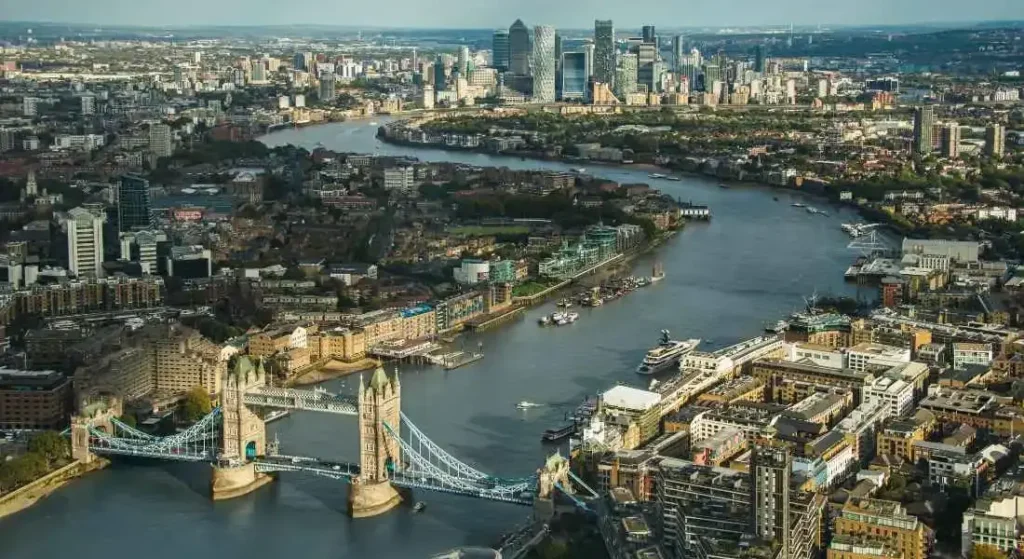
For uPVC windows North London homeowners ask about, we arrange free surveys and written quotes across London, with a particular focus on North London.
Not sure we cover your street? Send your postcode with your quote request, or call 020 3769 2842 and we will tell you.
Request a Free uPVC Windows North London Quote
A short enquiry is enough to start. Having these details to hand makes the quote more accurate:
your postcode and whether you own, rent or lease the property
the number of windows and the rooms they are in
the style you prefer, or a photo of the current windows
any special conditions, such as a conservation area, a flat or a listed building
Send your details and we will arrange your free survey and written quote. The process page shows every step, from survey to your decision. Prefer to talk it through? Call 020 3769 2842.
Get My Free Quote | Call 020 3769 2842
Helpful information
Before You Ask
A few things homeowners commonly want to know before getting in touch. If your question isn’t covered here, contact us directly.