Misted Double Glazing: What It Means and How to Fix It
Written by the Fairglass Windows team. Every rule below is linked to its source and dated, so you can check it yourself.
The short version: if the fog is between the two panes, the seal around the sealed glass unit has failed and damp air has got in. You can’t clean it out. The usual fix is a new sealed unit in your existing frame, and you often don’t need a whole new window.
Misted units are one of the most common calls a glazing firm gets, and a lot of the money people waste on them comes from one misunderstanding: they assume the whole window has gone. Often it hasn’t. Here is how to tell what you have, what your options cost you in time and trouble, and what to check before you pay anyone.
Why does double glazing mist up between the panes?
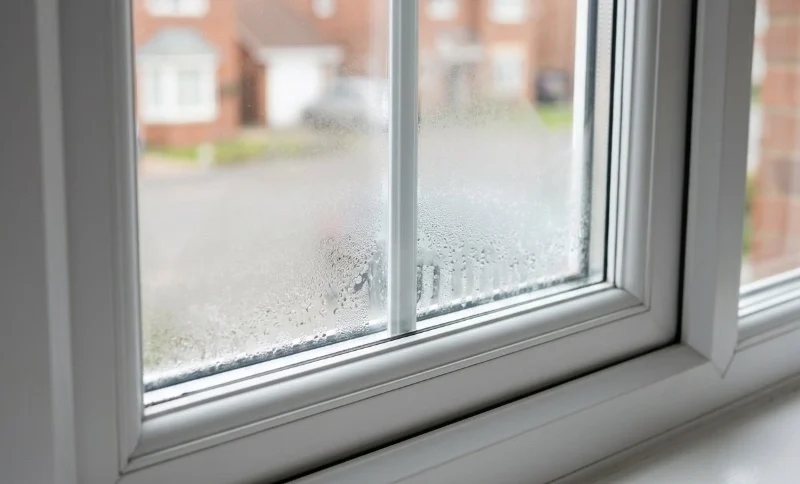
A double glazed unit is two sheets of glass with a sealed gap between them. A sealant runs round the edge. When it fails, damp air gets into the gap and you see fog, droplets or a milky film you can’t wipe off. Which? says this shouldn’t happen with new double glazing and that sealant wears out over time. It also says poor ventilation in the room can steam up glass, which is a different problem.
Is it condensation or a failed seal?
There is a quick test, and it costs nothing:
- Wipe the glass. If the mist comes off, it was on the surface, inside or outside the pane. That is condensation, not a failed seal.
- If you can’t reach it because it sits inside the glass, the seal has gone.
- If it is on the room side and keeps coming back, look at humidity and ventilation, not the glass. Kitchens, bathrooms and bedrooms with drying laundry are the usual suspects.
Can misted double glazing be repaired without replacing it?
Some firms drill the unit, draw out the moisture and fit a plug. Which? puts this at about £45 plus VAT and calls it likely to be a short-term fix, because the plug often loosens within about six months (Which?, article dated 21 May 2025). If the seals are separate gaskets rather than built in, replacing just the seals may be possible. Otherwise the sealed unit is replaced, which also puts fresh gas back between the panes. The Glass and Glazing Federation (GGF) agrees a failed unit needs replacing, and says a window repair company can usually do it, provided they take exact measurements so the new unit fits.
Should I replace the glass or the whole window?
If the frame is sound, replacing only the sealed unit is normally the sensible route. The GGF lists the signs that a window needs more than new glass: sticking, draughts, rot, damaged hinges, damaged seals, or sun and water damage. If the frames themselves are on the way out, it is worth pricing a whole new window against paying for glass in an old frame.
A glass-only job is not always treated the same way for Building Regulations. See Building Regulations and FENSA and ask your installer how they handle it. If you live in a conservation area and are thinking about changing more than the glass, read the planning permission guide first.
Is a failed unit covered by my guarantee?
It might be, so check before you pay anyone. Which? says warranties are typically 10 or 20 years, some are for life, and some cover only hardware fitted in the first five years. Outside the warranty, the Consumer Rights Act may still help, but you would need to show a defect rather than ordinary wear. Contact the seller or installer promptly, by phone or in person, and follow up in writing.
For a sense of how common this is: in Which?’s August 2022 survey of 3,409 people, 9% of those who had a problem reported glass steaming up or condensation, and 13% of owners had a problem in the first ten years.
How do I get an accurate quote from a photo?
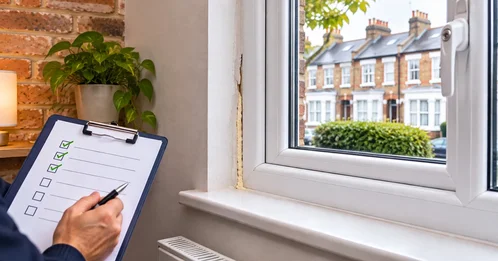
- Photograph the whole window from inside, then take a close-up of the misted pane.
- Look for a date stamp on the spacer bar between the panes. It helps date the unit.
- Note how many windows are affected, and your postcode.
- Send the lot to us, or to any firm you are comparing, and ask for a price per unit, fitted.
When you compare quotes, ask each firm for the price per sealed unit, what the guarantee covers, and how long it lasts. Ask whether the unit will match the glass in your other windows. In older North London homes with leaded or patterned glass, that can matter. If you want to send photos now, use our quote form.
Quick questions, straight answers
Will misted double glazing get worse?
Once the seal has failed, moisture can keep getting in, so the fogging is unlikely to clear on its own.
Can I wipe misting off the inside of the glass?
If you can wipe it, it is surface condensation. Fog between the panes can’t be wiped off because it is inside the sealed unit.
Is drilling and plugging a misted unit worth it?
Which? describes it as likely to be a short-term fix, with the plug often loosening within about six months.
Is a failed seal covered by my guarantee?
It may be. Check how long the guarantee is and what it covers, and contact the installer promptly.
Can I replace just one pane?
In most cases the sealed unit can be replaced on its own, if the frame is in good condition and the new unit can be made to the same size.
Sources: Which?, Double glazing repairs and maintenance; GGF, When to repair or replace your windows. Checked 26 to 27 October 2026. This page is general information, not legal advice. For your own home, ask your council or a solicitor.